
Project X Titan Driver Shaft Review: Standard vs. Titan Yellow Counterbalanced
Finding the right driver shaft can mean the difference between a high-spinning, uncontrolled miss and a piercing, fairway-finding missile. Enter the Project X Titan driver shaft family—True Temper’s flagship replacement for the iconic HZRDUS series.
Designed for golfers who demand low launch, ultra-low spin, and maximum stability on aggressive swings, the Titan line introduces advanced material integration and tailored EI bend profiles. With both the Standard Titan and the counterbalanced Titan Yellow, Project X offers options for modern low-spin heads and heavy clubhead configurations.
In this comprehensive review, we cover everything you need to know about the Project X Titan family—including specs,technology, swing feel, performance, and model comparisons.
Quick Summary & Key Takeaways
-
Target Player: High swing speeds, aggressive transition tempos, and golfers fighting left-side misses (hooks) or seeking swingweight balance with heavy modern heads.
-
Launch & Spin Profile: Low Launch / Low Spin across both models.
-
Key Technology: Synex multi-axial carbon fiber matrix for elevated hoop stiffness and maximum energy transfer.
-
EI Profile: Responsive, elastic feel in the handle for improved loading, transitioning into an ultra-stiff mid and tip section for tight dispersion.
-
Flex Options: 5.5 (Regular), 6.0 (Stiff), 6.5 (Extra Stiff), and TX (Tour Extra Stiff).
What Is the Project X Titan Shaft Series?
The Project X Titan line represents a major evolution in True Temper’s wood shaft design. Built to meet the demands of modern clubheads—which feature higher MOI and heavier overall weight—the Titan line delivers rock-solid dispersion without feeling like a rigid board.
Core Technology Breakdown
-
Synex Multi-Axial Carbon Fiber: Reinforces the outer structure, boosting hoop stiffness to resist ovaling and ensure efficient energy transfer on full-power swings.
-
Advanced EI Profile: Features an elastic-feeling handle section paired with a firm mid-section and reinforced tip.This allows players to feel the club load smoothly in transition while maintaining control through impact.
Standard Titan vs. Titan Yellow: Which Profile Do You Need?
While both shafts share low-launch, low-spin DNA, their weight distribution and fitting applications differ significantly.
1. Standard Project X Titan
The standard Titan is designed for traditional clubhead weights and standard playing lengths. It provides a direct, responsive feel with an ultra-stable tip section engineered to resist twisting on off-center strikes.
2. Project X Titan Yellow (Counterbalanced)
The Titan Yellow introduces a strategically counterbalanced design shift, moving weight closer to the butt end of the shaft.
-
Why Choose Titan Yellow? Counterbalancing allows builders and fitters to offset heavier modern driver heads, install aftermarket adapters, or build clubs at extended playing lengths (e.g., 45.75" or 46") without blowing out the swingweight.
-
Performance Benefit: The redistributed mass enables players to achieve higher swing speeds while maintaining complete control over heavy clubheads.
Look and Feel On the Tee
Aesthetics
-
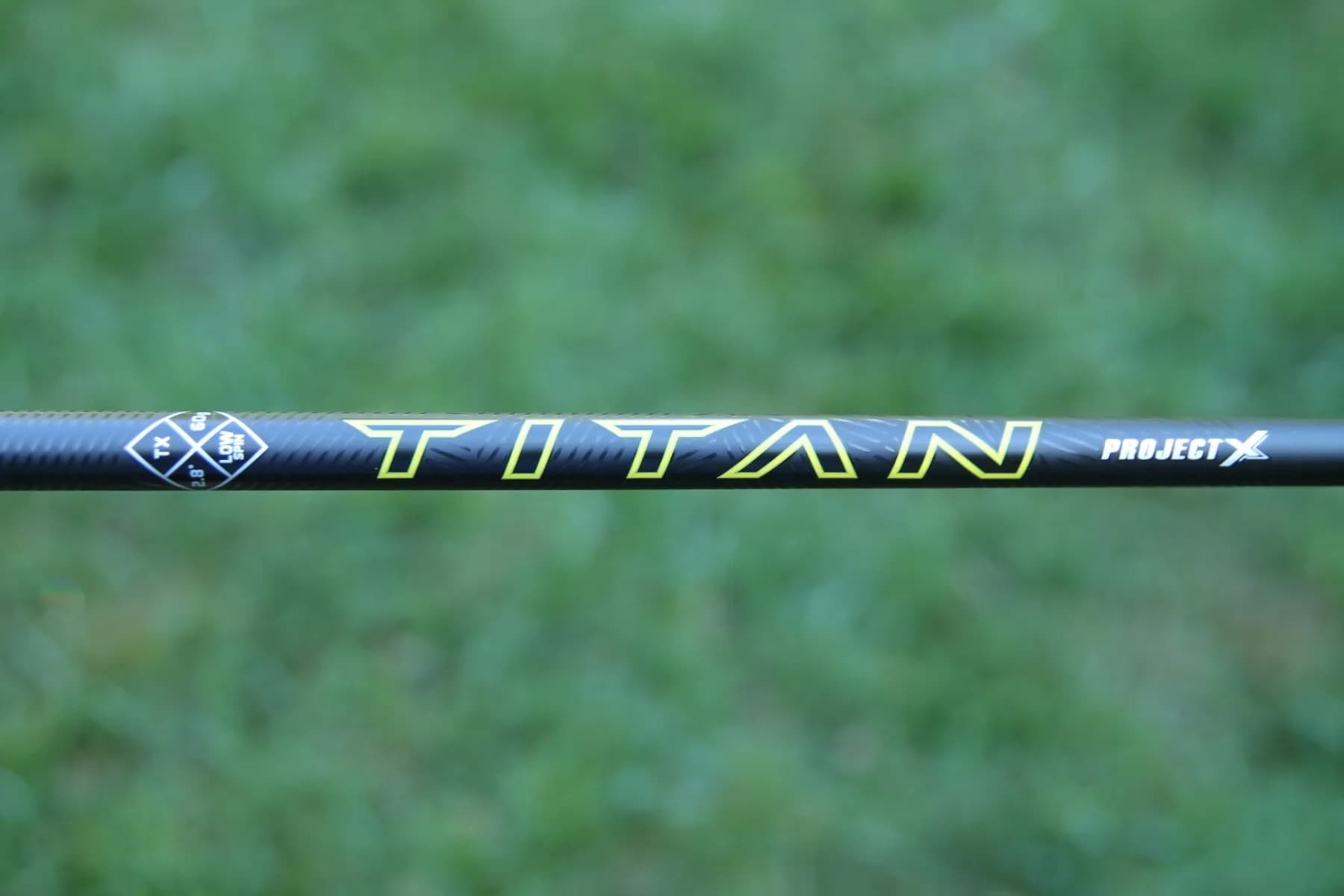
Standard Titan: Features a matte stealth-black finish with subtle white/silver branding.
-
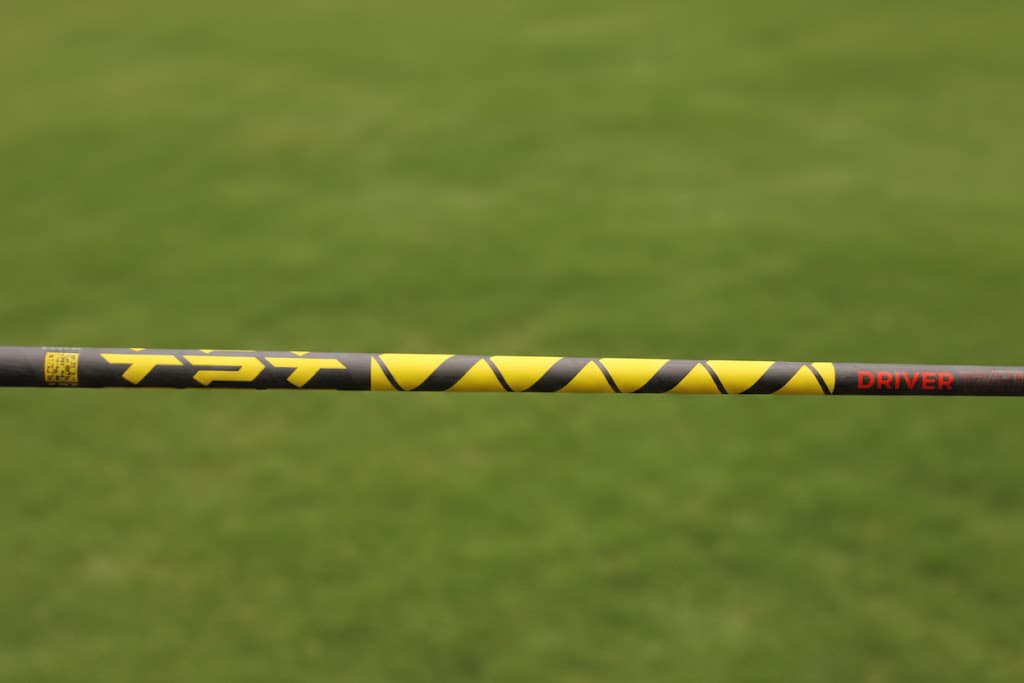
Titan Yellow: Features distinct yellow graphic accents near the upper section to clearly signal its counterbalanced profile while keeping the lower shaft sleek and non-distracting at address.
Swing Feel
Traditional low/low shafts can often feel overly harsh or "boardy." However, testing on both Titan profiles highlights a smooth transition:
-
In Transition: The elastic handle provides feedback as you load the shaft, eliminating the harsh vibration of older low-spin profiles.
-
At Impact: The firm mid and tip sections kick in, creating a solid, stable feel through the turf and ball.
On-Course Performance & Launch Monitor Results
1. Tightened Dispersion & Anti-Left Bias
The hallmark of the Titan family is control. Golfers fighting aggressive left-side misses (hooks) find that the tip stability keeps the face square at impact. On toe or heel strikes, gear-effect twisting is minimized, preserving ball speed and keeping shots in the fairway.
2. Lower Launch & Spin Numbers
True to its Tour heritage, both the Titan and Titan Yellow produce a penetrating trajectory:
-
Launch Angle: Typically drops 1.5° to 2.5° compared to mid-launch shaft offerings.
-
Spin Rates: Drops spin by 200–400 RPM, helping players prevent ballooning drives into high winds.
Pros & Cons
Pros
-
Exceptional Stability: High torsional stiffness powered by Synex carbon fiber technology.
-
Versatile Build Options: Titan Yellow counterbalancing makes modern heavy-head and overlength builds manageable.
-
Improved Handle Feel: Responsive butt section eliminates boardy feedback without compromising low-spin performance.
-
Eliminates Hook Misses: Stiff tip keeps head orientation square for fast, aggressive transition players.
Cons
-
Demands Speed: Requires solid speed and tempo to properly activate 6.5 and TX flexes.
-
Not for High Launch Seekers: Golfers needing help getting the ball in the air should look toward mid/high launch profiles instead.
Who Is the Project X Titan Best For?
The Project X Titan lineup is tailored for:
-
Aggressive Swing Tempo Players: Golfers who transition quickly from the top and need a shaft that won't flex prematurely.
-
Players Using Modern Heavy Heads: If you are playing low-spin heads with heavy movable weights or extended builds, the Titan Yellow offers balance without altering head feel.
-
High-Spin / Fast Swingers: Players looking to flatten their trajectory and optimize roll-out distance off the tee.
Final Verdict
The Project X Titan driver shaft series sets a new standard for low-launch, low-spin stability. By pairing Synex carbon fiber technology with a responsive handle profile, True Temper created a line that delivers control without sacrificing loading feel.
Whether you opt for the standard setup or the counterbalanced Titan Yellow, testing the Titan line in a certified club fitting will help unlock maximum ball speed and tighter dispersion off the tee. Stay tuned for more information on the Titan Green HULK shaft which should be coming early 2027.